
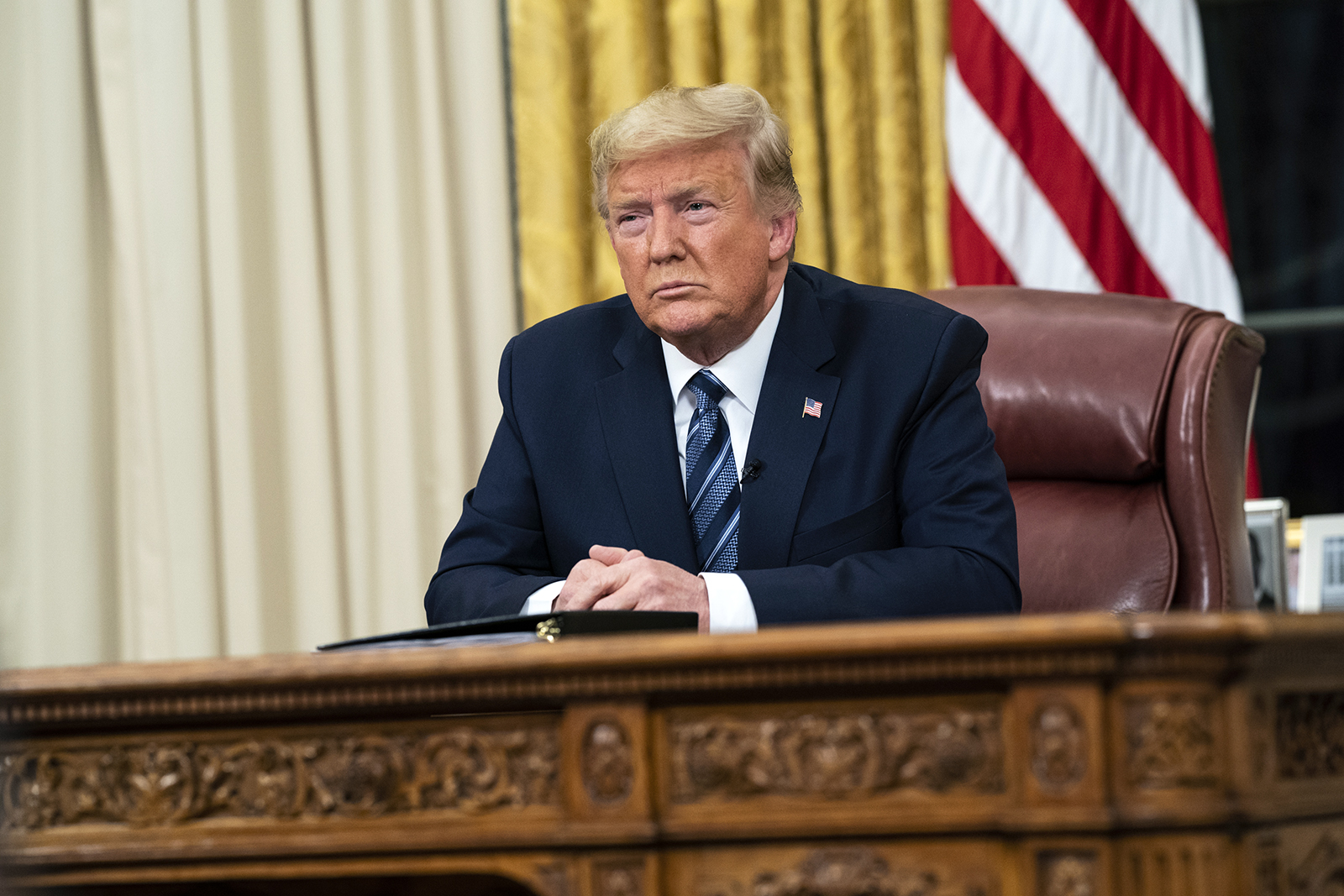

Ever since his loss to Joe Biden in 2020, President Trump has railed against voter fraud and the need for countermeasures to prevent it. The SAVE America Act is the embodiment of these efforts. The Senate is already considering the bill; however, due to the math of the situation, Republicans face an uphill climb in making the SAVE Act law.
The SAVE America Act contains several anti-fraud measures including requiring voter ID for federal elections, requiring proof of citizenship in order to register to vote, banning mail in ballots, and requiring states to purge their voter rolls of ineligible voters. Voter ID is the headliner of the SAVE Act and Republicans are making it one of the key aspects they are pushing in the media. Contrary to protestations by some in the media, voter ID is broadly popular with the American people. Across the spectrum, Americans agree: Voter ID is common sense.
Nevertheless, congressional Democrats oppose the SAVE Act, claiming voter fraud doesn’t exist. And though election fraud might not be as bad as Trump claims, it is more serious than Democrats think. There are cases of voter fraud across the country and legislators should address it.
Yet the SAVE Act faces opposition, even from people in Trump’s own party. Criticism ranges from the constitutionality of parts of the act to proposed procedures for passage.
The federal government has every right to regulate how people vote in federal elections, and requiring voter ID to prove eligibility is not an issue legally. However, the SAVE Act also bans mail-in voting and requires states to comply with federal efforts to purge voter rolls of ineligible voters. Both of these measures are arguably good policy, but constitutional law shouldn’t be concerned with whether something is good policy. While Congress does have authority to regulate federal elections, it is questionable how courts would rule on the SAVE Act, since the states also have authority to regulate their own elections.
The bigger problem for Trump and congressional Republicans is that the SAVE Act may not even make it that far. Republicans hold a narrow 53-47 advantage in the Senate, not enough to clear the 60-vote requirement to break a filibuster. To get around that, some Republicans have proposed getting rid of the filibuster altogether or forcing the old-fashioned “talking filibuster.”
Doing so would make the math for passing the SAVE Act even more precarious. Most Republicans have announced their opposition to scrapping the filibuster, citing its value in preventing government overreach. This, combined with the number of senators who oppose the SAVE Act per se, signals a very difficult path forward – dealing a blow to the cause of election integrity.
So what should be done? If Leader Thune and the rest of the GOP want to ensure election integrity, they should propose voter ID as a single issue rather than as part of an omnibus. Passing a bill with a narrow majority becomes more difficult with every additional element; with the broad support voter ID enjoys, a single-issue bill has a far greater chance of becoming law.
There is a lot to like about the SAVE America Act, but the narrow margins in the Senate make it difficult for it to become law. To overcome this issue, the Senate should pass voter ID on its own. This approach might not accomplish as much as the currently structured SAVE Act, but victory is sometimes achieved in steps, rather than leaps. Republicans would be wise to win small, rather than lose big.